Buying Advice to Fish Fillet Knife
Best Fish Boning Knives: Our 2026 Buyer's Guide
Picking the appropriate filleting knife is key for any angler aiming to enhance their fish preparation skills. The choice copyrights on several factors, including blade material, handle comfort, and overall flexibility. Each element plays a major role in achieving precision during filleting. As anglers examine various options, understanding the balance between budget and premium choices becomes critical. What features should one target to guarantee an superior fishing experience? The answer lies ahead.
The Vital Significance of a Professional Filleting Knife
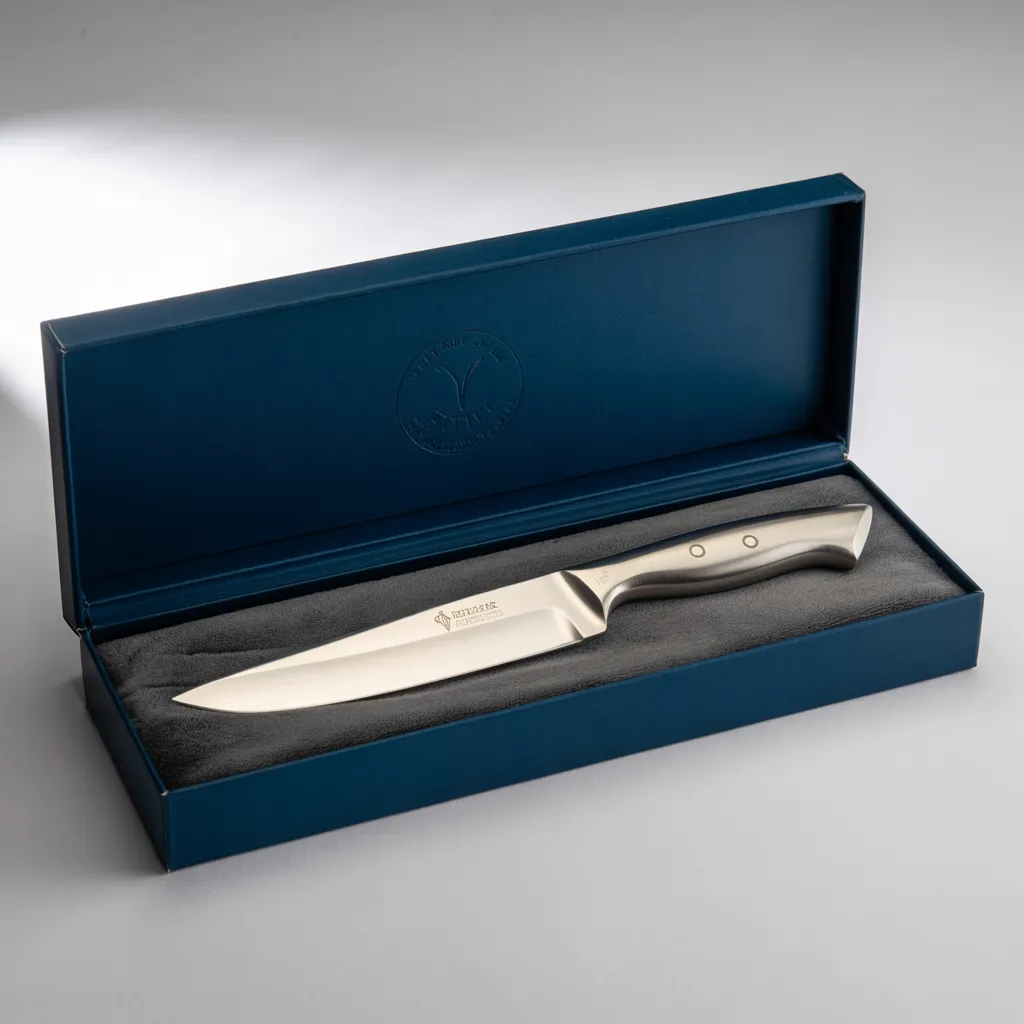
A high-quality filleting knife can significantly improve the experience of processing fish. The precision and sharpness of a skillfully designed knife permit neat, simple cuts, minimizing the risk of harming the fragile flesh. This proficiency not only reduces time but also creates a more visually appealing appearance, whether for a informal meal or an intricate dish.
Furthermore, a good filleting knife provides better control, permitting the user to traverse around bones and skin with ease. This control is essential for both beginner chefs and seasoned chefs, assuring that each fillet is cut perfectly. Additionally, the right filleting knife can decrease the physical strain on the user, turning the process more enjoyable.
Purchasing a quality filleting knife in the end improves the complete fish processing experience, converting what could be a difficult task into a satisfying gastronomic endeavor.
Critical Components for Identifying the Perfect Filleting Knife
Evaluating a fillet knife involves paying attention to several critical elements. The composition of the blade, the comfort of the handle, and the offered flexibility and length possibilities play a major role in performance and user experience. Learning about these factors may help people in making educated choices based on their unique needs.
Blade Material Matters
Selecting the ideal fish filleting knife depends greatly on the blade material, which serves a critical function in functionality and longevity. Standard options include stainless steel, high-carbon steel, and ceramic. Stainless steel is popular for its corrosion resistance and simple upkeep, making it perfect for regular application in wet environments. High-carbon steel, get going while requiring more care to prevent rust, offers exceptional edge quality and edge retention, attracting those who value accuracy. Ceramic blades provide outstanding edge quality and are lightweight, but they can be brittle and more challenging to sharpen. Ultimately, comprehending the characteristics of these materials helps consumers select a filleting knife that meets their specific needs, ensuring an efficient and enjoyable fish preparation experience.
Prioritize ease as the vital aspect for effective tool handling
Although many elements influence the choice of a fish filleting knife, handle comfort stands out as an essential element. A carefully crafted handle can considerably impact the filleting experience, allowing for better control and precision. Comfort-focused designs that fit the contours of the hand reduce strain during prolonged use, making it easier to execute delicate cuts. Materials such as rubber, wood, or textured plastics offer varying levels of grip and comfort. A secure hold prevents slipping, enhancing safety while working with sharp blades. Additionally, considering the handle size is important, as it should accommodate various hand sizes to guarantee peak performance. Ultimately, a comfortable handle can transform filleting from a chore into a more enjoyable and efficient task.
Flexibility and Length Options
A ergonomic handle lays the foundation for effective filleting, but flexibility and length options are just as important when choosing the best knife. The flexibility of a filleting knife assists it in moving around bones and the contours of the fish, boosting precision. A more bendable blade is perfect for fragile fish, while a stiffer blade fits larger species. Length is another key factor; shorter blades give control for intricate cuts, and longer blades allow swift, long cuts. Typically, filleting knives are usually 6 to 9 inches long, designed for various fish sizes and filleting techniques. Ultimately, the perfect blend of flexibility and length enhances the filleting experience, ensuring both productivity and quality in the final product.
Superior Cutting Edge Materials for Durability and Performance
The top fish filleting knives often showcase blades built from specific materials that boost both functionality and strength. High-carbon stainless steel is a popular option, appreciated for its equilibrium of hardness and corrosion resistance. This material keeps a sharp edge while resisting the rigors of frequent employment in both fresh and saltwater environments.
Another notable selection is ceramic, which presents remarkable sharpness and maintains its edge longer than steel. However, ceramic blades can be more easily damaged, making them less suitable for heavy-duty tasks.
Titanium-coated stainless steel is also growing in popularity, supplying superior resistance to wear and corrosion while keeping the light weight properties of traditional stainless steel.
Ultimately, the selection of blade material greatly impacts the knife's durability and performance, making it crucial for anglers to choose the right type tailored to their individual filleting purposes.
Picking for Pleasant Grips on Fillet Blades
In what way does the grip of a fillet knife determine the journey for anglers? The handle is fundamental to ensuring comfort and control as filleting. A strategically designed handle facilitates a secure grip, curtailing the potential of losing grip, notably when the knife is wet. Materials including synthetic rubber, wood, or composite blends can bolster coziness, presenting ergonomic shapes that suit the inherent hand shape.
Anglers should evaluate the weight and balance of the knife; a light-duty handle can minimize fatigue during prolonged use. Bumpy surfaces can also deliver superior control, while the handle's dimensions should suit different hand types. In the end, a agreeable handle improves accuracy and makes the task more pleasant, letting anglers focus on the standard of filleting technique rather than fighting with an difficult knife. Spending effort on selecting the right handle can substantially boost the overall filleting experience.
Top 2026 Picks: Best Fish Fillet Knives for Every Angler
When selecting the ideal filleting knife, anglers can benefit from a wide range of excellent options available in 2026, each meeting different preferences and needs. Among the outstanding choices, the Rapala Classic Fillet Knife offers a flexible blade that excels in precision, making it a favorite for both novices and seasoned fishers. For those looking for durability, the Bubba Blade series features a stainless steel construction and non-slip grip, guaranteeing safety and efficiency during use.
Furthermore, the Dexter-Russell Narrow Fillet Knife is noted for its exceptional sharpness and control, suited for sophisticated filleting tasks. Anglers in search of versatility may prefer the Morakniv Fishing Knife, which integrates a sturdy design with a comfortable handle. Ultimately, these selections exemplify the best in 2026, providing anglers with dependable tools engineered to enhance their filleting experience.
Caring Your Filleting Knife for Long-term use
Maintaining a filleting knife is crucial for ensuring its efficiency and durability. Consistent sharpening techniques help to preserve the blade's edge, while appropriate storage practices safeguard it from damage. Together, these techniques can greatly enhance the blade's effectiveness over time.
Standard Edge Sharpening Techniques
Conversely, sharpening—can be achieved using whetstones or electric sharpeners and should be done periodically, relative to usage frequency. It is vital to maintain the correct angle while sharpening, typically around 15 to 20 degrees for filleting knives. Frequent sharpening not only boosts cutting efficiency but also prolongs the knife's lifespan, making it a valuable investment for any angler.
Optimal Safekeeping Practices
Proper care of a filleting knife significantly affects its longevity and effectiveness. Storing the knife in a designated knife block or magnetic strip not only protects the blade from harm but also prevents unintended injuries. A protective sheath can be applied for additional safety, particularly when storing knives inside drawers. It's vital to maintain the knife dry and clean before storage to prevent rust and corrosion. For those who handle their filleting knife often, a dedicated drawer with dividers helps maintain organization while ensuring access. Regularly checking the storage environment for humidity levels can enhance the knife’s lifespan, helping it stay efficient long-term.
Economy versus Premium Filleting Knives
When considering fish filleting knives, the choice between budget and premium options considerably impacts both performance and user experience. Budget filleting knives often present simpler materials, resulting in less sharpness and durability. They may be suitable for occasional users or those new to filleting, as they provide basic functionality at an accessible price. However, the user may experience limitations in exactness and comfort.
In contrast, high-end fillet blades are crafted from higher-quality materials, providing exceptional edge durability and keener edges. These knives are designed for both culinary professionals and serious enthusiasts, allowing for more precise cuts and more efficient filleting. The ergonomic handles often improve control and minimize hand strain during extended work. While the upfront cost is higher, the long-term benefits, including durability and performance, can warrant the expense for dedicated users. Ultimately, the decision copyrights on the user's requirements, how often it's used, and financial limitations.
Frequently Asked FAQs
Is It Possible to Use a Filleting Knife for Different Kinds of Meat?
A filleting knife can be used on other types of meat, but its construction is tailored to fish. Users may find it less effective on tougher meats, where sturdier knives are typically more suitable.
How Often Should I Sharpen My Filleting Knife?
A filleting knife needs frequent sharpening, best done after every few uses or whenever it becomes dull. Consistent upkeep ensures superior performance, allowing for precise cuts and an enjoyable filleting experience. Consistency is essential.
What Dimension Fillet Knife Is Ideal for Beginners?
A fillet blade measuring 7 to 9 inches works best for beginners. This size achieves equilibrium between maneuverability and precision, making it easier to process fish without overwhelming the new angler.
Should You Think About Powered Filleting Knives Worth the Cost?
Electric fillet knives can be a smart investment for those desiring efficiency and ease. Their speed and consistent cuts improve the filleting activity, making them ideal for both amateur and professional fishers pursuing precision.
How Can I Obtain New Blades for My Filleting Knife?
Fishing retailers, e-commerce platforms, and manufacturer sites all offer filleting knife replacement blades. Confirming compatibility with your particular knife model is vital for maintaining peak performance when in use.